
STATEMENT
「絵画、すなわち視神経の冒険の転写」
ピエール・ボナール (※1) は手帳にメモを残しており、「見る」という知覚の過程と絵画の関係性を探求し続けた。
目に見えるモチーフや空間の再現描写を拒み、記憶を頼りに光と色彩を研究したボナールの絵画表現や制作方法には、私の制作との共通点があり、影響を受けている。
日常でのクロッキーや短い言葉、光と影の色彩など、身近な題材を主な初動として平面作品を制作してきた。
いつも通りの『普通』な日常は一瞬で変化してしまうこともある。そのような変化を自身が経験し、日常が強固なものではないと知り、愛しく感じられるようになった。
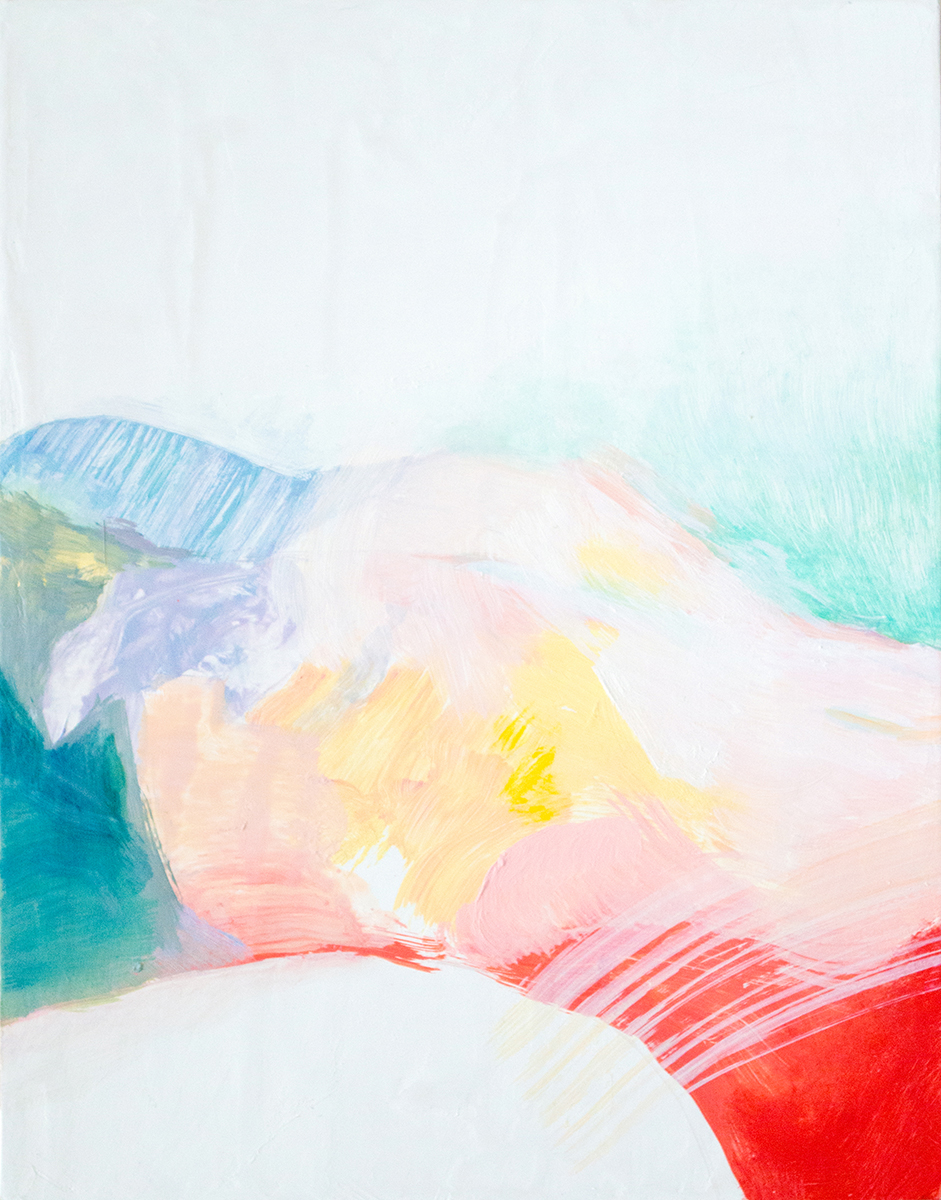
形をはっきりと描写せずに曖昧に表現することで、鑑賞者が「いつかどこかで経験したこと」(景色・場所・光など)を重ね合わせ、内的な感覚をより反映させることができると考える。
懐古趣味的なノスタルジーではなく、通勤電車の車窓から見えた山々だったり、前を歩く人の傘の色が可愛かったことなど自身が経験した「瞬間」を描くことで、鑑賞者の記憶の小さな引き出しを開けたり、閉じたりしたい。
すべての人間は、生まれながらにして、知りたいと願う。 (※2)
今、自分が感じて表現した絵画が、一種のコミュニケーションとして誰かの目に映り脊髄を通過して刺激となり、感情や想起のトリガーとなることを目指している。
※1: ピエール・ボナール(Pierre Bonnard / 1867-1947) ナビ派のフランス人画家。
※2: アリストテレス『形而上学』
“Painting, the transcription of adventures of the optic nerve”(※1) ,
Pierre Bonnard left a sentence in his notebook, he continued to explore the relationship between the process of perception of “seeing” and painting.
He refused to reproduce the visible motifs and spaces,
and studied the light and color using his memory as a clue.
His way of painting, inspiring me strongly, has something in common with my style.
I have been creating two-dimensional works with familiar subjects, which are croquis and short words in everyday life, colors of the light and shadow, etc, as the main initial action.
Sometimes the “ordinary” scene of life can change suddenly.
That’s why I can feel love in something that happens in my everyday life.
By expressing vaguely without clearly describing the shape,
overlaying “what the viewer experienced oneday (scenery, place, light, etc.)”.
I think it can better reflect his or her inner feelings.
Not a retrospective nostalgy,
mountains seen from the window of a commuter train,
lovely color of the umbrella of the person walking in front,
I want to open up and close the drawer of memory of the viewer by depicting the moments I have experienced.
“All men naturally desire knowledge.” (※2)
I wish my paintings would play a role as a trigger for someone to recall his or her emotions and recollections as a kind of communicaiton, through his or her eyes and the spinal cord to stimulate.
※1:Pierre Bonnard, 1867-1947, avant-garde painters Les Nabis.
※2:Aristotle, 384–322 BC, Metaphysics, Book 1, section 980a
 Haruka KAWAI - 河合春香